From Panic to Prepared: Why Sissy’s ‘Be Prepared by Friday’ is the Survival Guide for the Rest of Us
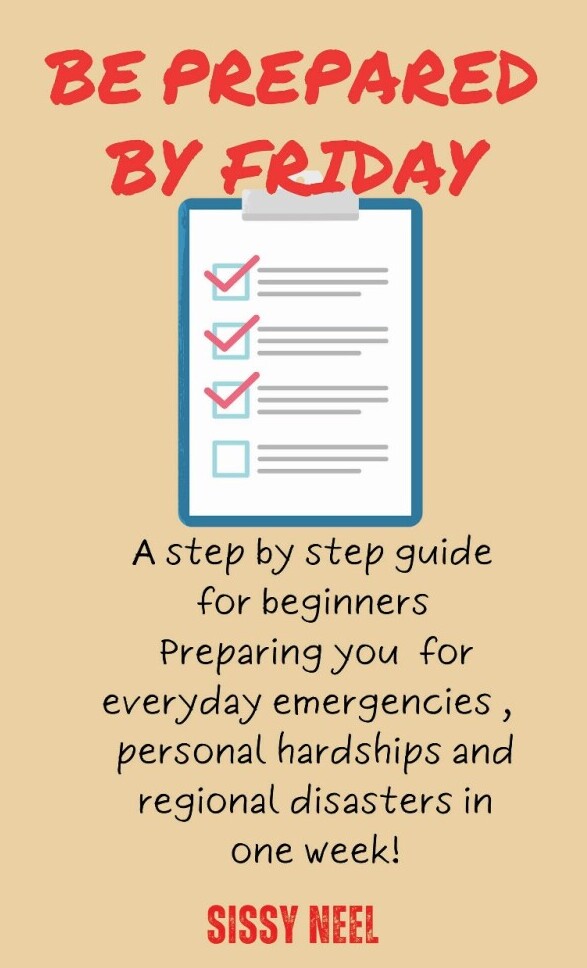 The world feels a bit more unpredictable these days, doesn’t it? Whether it’s a sudden “once-in-a-century” storm, a power grid hiccup, or just the general unease of the 24-hour news cycle, the desire to be more self-reliant is no longer a “fringe” idea—it’s a practical necessity.
But for many, the word “prepping” conjures up images of underground bunkers, camouflaged tactical gear, and decades’ worth of freeze-dried kale. It feels overwhelming, expensive, and frankly, a bit paranoid. That is exactly why Sissy wrote the newly released “Be Prepared by Friday” Quick Start Guide, now available on Amazon.com.
If you’ve ever felt that nagging “I should probably do something” feeling but didn’t know where to start, this guide was written specifically for you. It’s time to move from anxiety to action. In this article, we’ll explore why Sissy’s approach is changing the game for everyday people who want peace of mind without the “doomsday” baggage.
Why Write Another Prepping Book?
You might look at the “Survival” section of a bookstore and think, Do we really need another guide? Sissy’s answer is a resounding “Yes.” Most prepping manuals are written for people who already have a baseline of survival skills or a massive surplus of disposable income. They read like military field guides or technical encyclopedias.
Sissy understands that the average person doesn’t have 40 hours a week to dedicate to survivalist training. You have a job, a family, a budget, and a hectic schedule. You are a “soccer mom,” a college student in a cramped dorm, or a senior living on a fixed income. You don’t need to know how to build a log cabin from scratch; you need to know what to do when the lights go out and the grocery store shelves are empty.
The Anxiety of the Unknown
We’ve all seen the footage: neighborhoods flooded, grocery store shelves emptied in hours, and families left in the dark during a polar vortex. That pit in your stomach when you see those images is a signal. It’s your brain telling you that you aren’t quite ready.
Sissy’s guide addresses this head-on. By taking action, that anxiety transforms into a sense of calm. You aren’t just “hoping” things will be okay; you know you have a plan. The “Friday” in the title isn’t just a catchy name—it’s a deadline for peace of mind. Sissy believes that by breaking down the overwhelming “mountain” of prepping into a 5-day sprint, anyone can achieve a baseline of safety.
Overcoming the “Prepper Stigma” with Skeptics
One of the biggest hurdles to being prepared isn’t money or time—it’s the people we live with. We all have that one friend, spouse, or family member who rolls their eyes at the mention of a “go-bag” or an extra gallon of water. They dismiss prepping as “doom-and-gloom” thinking.
How to Start a Rational Discussion
“Be Prepared by Friday” provides a roadmap for having calm, rational discussions with skeptics. Sissy suggests moving away from “end of the world” scenarios and focusing on “unforeseen emergencies.”
Sissy anchors her advice in the gold standards of disaster management: Red Cross and FEMA guidelines. When you frame prepping as following the same advice given by the federal government and international aid organizations, the “conspiracy theorist” label disappears. It’s not about waiting for a zombie apocalypse; it’s about being ready for a hurricane, a blizzard, or a localized power outage.
“Prepping isn’t about fearing the future,” Sissy notes. “It’s about loving your family enough to ensure their comfort during a crisis.”
By using Sissy’s techniques, you can turn a potential argument into a collaborative family project. When you approach it as “being responsible” rather than “being scared,” even the most skeptical person is likely to listen.
The Four Pillars: Food, Water, Shelter, and Security
As humans, our needs are remarkably consistent. Whether you live in a high-rise apartment in the city or a rural farmhouse, your survival depends on four core pillars. Sissy’s book focuses on these essentials without getting distracted by “tacticool” gadgets that drain your bank account.
1. Water: The Most Immediate Need
You can survive for weeks without food, but only days without water. Sissy emphasizes simple, low-cost ways to store and purify water. It’s not about digging a well; it’s about knowing how much you need (one gallon per person per day) and where to store it so it doesn’t take up your entire living room.
2. Food: Beyond the Grocery Store
Forget the expensive 25-year survival buckets for a moment. Sissy teaches you how to build a “working pantry” that fits your actual diet. This ensures that even in an emergency, your family is eating food they actually like. This isn’t just about calories; it’s about morale. Eating a familiar meal during a power outage can be the difference between a family staycation and a family meltdown.
3. Shelter and Warmth
If the heat goes out in January, do you have a way to stay warm? If a storm damages your roof, do you have the tools to mitigate the damage? Sissy covers the basics of maintaining your environment when the “grid” fails to do it for you. This includes everything from simple Mylar blankets to understanding how to create a “warm room” in your house.
4. Security and Peace of Mind
Security, in Sissy’s view, isn’t just about self-defense; it’s about the security of information and the stability of your mindset. Knowing what to do in the first 60 minutes of an emergency is more valuable than any piece of equipment. Sissy focuses on building “situational awareness”—the ability to see a problem coming before it arrives.
Prepping for Every Walk of Life
One of the standout features of Sissy’s guide is its inclusivity. Prepping is often marketed toward a very specific demographic, but Sissy proves that anyone can do this.
| Demographic | Challenges | How Sissy Helps |
| College Students | Limited space, tight budget, dorm living. | Focuses on portable essentials and “no-cook” food options. |
| Soccer Moms | Hectic schedules, kids’ needs, high stress. | Provides “quick-win” tasks that take 15 minutes or less. |
| Seniors | Mobility issues, medication reliance. | Emphasizes medical preparedness and community networking. |
| Singles | No “backup” person, limited hands. | Focuses on self-reliance and “one-bag” logic. |
| Apartment Dwellers | No storage, no outdoor space. | Offers vertical storage tips and urban-specific solutions. |
Mindset vs. Gadgets: Why Your Brain is Your Best Tool
In the world of emergency preparedness, it is very easy to fall into the “gear trap.” It’s fun to buy shiny new flashlights, high-tech water filters, and expensive multi-tools. However, Sissy makes a crucial point: Gadgets are helpful, but your mind has to be right.
The “Average Joe” Mindsets that Hinder Progress
Sissy identifies several psychological barriers that stop people from preparing:
-
Normalcy Bias: The belief that because a disaster hasn’t happened yet, it never will.
-
Delegation of Responsibility: The assumption that “the government” or “first responders” will arrive instantly to help. In a major disaster, you are your own first responder.
-
Analysis Paralysis: Being so overwhelmed by the thousands of options that you do nothing at all.
“Be Prepared by Friday“ addresses these mindsets directly. Sissy encourages readers to develop skills—like basic first aid, fire starting, or water purification—rather than just hoarding “stuff.” If you lose your bag, you still have your skills. If you have the gear but don’t know how to use it, you’re just a person with a heavy backpack.
Low-Cost, High-Impact: Prepping on a Budget
Many people assume prepping is a “rich person’s hobby.” They see YouTubers with $10,000 solar arrays and underground bunkers and think, I can’t afford to be safe. Sissy shatters this myth. Her book highlights numerous steps you can take today that won’t cost you a dime.
-
Organizing Information: Making physical copies of vital documents (IDs, insurance, deeds) and storing them in a waterproof container.
-
Physical Conditioning: Being fit enough to walk a few miles or carry a heavy bag if your car breaks down.
-
Knowledge Acquisition: Learning how to turn off the main water or gas line to your home to prevent further damage during a disaster.
-
Community Mapping: Identifying neighbors who might need help or who have skills (like a nurse or a mechanic) that could be vital in a pinch.
It will cost you time and effort, but as Sissy points out, the steps are the same whether you live in a trailer or a mansion. Survival doesn’t care about your zip code or your bank balance. It cares about whether you are ready.
The “Sissy Wish List”: Finding the Right Tools
While Sissy emphasizes skills over gear, she acknowledges that having the right tools makes the job easier. For those who are ready to invest a little, Sissy has curated a solid prepper wish list. This list isn’t about the most expensive items; it’s about the most reliable ones.
From portable solar chargers to high-quality manual can openers (because a battery-powered one is useless in a blackout!), Sissy’s recommendations are based on practical, everyday use. If you’re looking for ideas on where to spend your first $20 or $100 on prep, her guide and wish list are the perfect starting points.
How to Get Started Today
If you’re ready to stop worrying and start doing, the “Be Prepared by Friday” mindset is the way to go. You don’t need to finish everything at once. The goal is simply to be better prepared than you were yesterday.
Your “Friday” Action Plan:
- Get the Book: Pick up “Be Prepared by Friday” on Amazon. It serves as your primary roadmap and keeps you from getting distracted by unnecessary rabbit holes.
-
Audit Your Pantry: See what you already have. You might be more prepared than you think! Count your cans and check your expiration dates.
-
The Water Test: Fill up a few clean containers with tap water tonight. Congratulations—you’ve already increased your survival chances significantly.
-
Talk to Your Family: Use the “FEMA/Red Cross” framing Sissy recommends to get everyone on the same page without causing panic.
Final Thoughts: Why “Be Prepared by Friday” Matters
The “unexpected” happens in every life. It might be a global event, or it might be a personal “SHTF” (Stuff Hits The Fan) moment like a job loss, a medical emergency, or a house fire. By following the principles Sissy lays out, you aren’t just preparing for the “end of the world”—you’re preparing for the “end of the week.”
Sissy’s “Be Prepared by Friday” Quick Start Guide is more than just a book; it’s a permission slip to take control of your safety. It’s quick, it’s easy to implement, and it’s grounded in common sense. Sissy has taken the “scary” out of prepping and replaced it with a practical, doable plan.
Don’t let another week go by wondering “what if.” Get focused, get prepared, and get your copy today. Because as Sissy says, the best time to prepare was yesterday; the second best time is right now.
About the Author: Sissy
Sissy is a practical preparedness advocate dedicated to helping the “average Joe” find peace of mind. As the author of the ‘Be Prepared by Friday’ Quick Start Guide, she specializes in how to start prepping for beginners on a budget. Her advice is always grounded, rational, and rooted in FEMA and Red Cross guidelines. Sissy believes that while we can’t control the weather, we can control how ready we are for the unexpected.
Frequently Asked Questions
1. What is an emergency preparedness quick start guide? It is a simplified roadmap to cover safety essentials fast. Sissy’s book provides a 5-day framework to remove the overwhelm for beginners.
2. How can I start prepping on a tight budget? Sissy emphasizes zero-cost steps like inventorying your pantry, organizing documents, and skill-building. Mindset is more valuable than gear.
3. Is this book suitable for small apartments or dorms? Yes. Sissy includes space-saving storage tips and portable essentials that work in any living situation.
4. How do I talk to my family about prepping? Sissy recommends using Red Cross and FEMA guidelines to keep the conversation rational and focused on common local emergencies.
5. What is on a beginner prepper wish list? Prioritize the basics: a 3-day water supply, a manual can opener, a reliable flashlight, and a first aid kit. Sissy’s guide helps you prioritize these purchases.

Hi Sissy,
Thank you for sharing your prepping book, it looks like it is very informative.
I will give it a go and if I have any questions then I will get in touch with you, if that is OK?
Keep up the great work.
All the best,
Tom
Thanks Tom,
I would be happy to answer any questions you come up with. Everyone needs to be more prepared for unexpected events, but its hard to know where to start. Feel free to look at the older articles. There’s lots of simple ideas that can be implemented rather quickly. Thanks for looking!
Sissy
Hello Sissy,
I think this speaks to many people who know they should be better prepared but feel stuck on where to begin. When it’s broken into small, immediate steps, it suddenly feels more manageable, and that alone can build confidence and keep panic in check when something unexpected happens. Preparedness doesn’t have to come from fear. It’s really about giving yourself and your family a bit of control when circumstances aren’t. You made that feel practical and approachable, which isn’t easy to do with this topic. Really well-written article.
On a side note, I also enjoyed your prepper wish list. I have many of the things on it, but I never thought about a carbon monoxide detector. I will need to add one! Thanks for such a great idea for confined spaces.
Michael
Good afternoon Michael,
I appreciate your comments. Making preparedness a norm is my goal. I hope that each article sheds light on a new task to be achieved. I believe everyone can and should build these skills into their lives. Thanks for stopping by. It’s always good to visit with folks. Stop by anytime!
Sissy
Just a quick note! This book is 100% written by me …typos and all. I did let AI help with the illustrations. It would have taken 10 years to draw them all by hand! Some troller was saying that it was another AI book…schumk… This book is a how to guide to get you from scared and unsure to confident and prepared with real life experience. I hope you will read this book and learn things that will help you thrive!